From Thailand to Indonesia to Timor-Leste, a new wave of Gen Z resistance is spreading across Southeast Asia and it’s unlike anything we’ve seen before. Beginning on September 9 in Nepal following the government’s TikTok ban, youth protesters stormed the streets and burned the parliament building to fight regulations on digital media in order to protect freedom of speech and expression. Spreading from Nepal to Bangladesh to Sri Lanka, a similar pattern of resistance emerged in South Asian countries where teenagers and young adults fought against authoritarian power and rebelled against corruption, stemming from economic disparities. This thread of young resistance was then found in Africa, notably in Kenya, due to high unemployment rates and rising cost of living, as well as in Morocco with the ‘Gen Z 212’ movement, which was named after a government bill for allocating funds to the 2030 World Cup instead of catering citizens’ daily needs[1]. Now this wave of Gen Z activism has spread to Southeast Asia, beginning in Indonesia, Thailand, and Timor-Leste, and continues to spread across more countries as we speak.
Popular Culture in Gen Z Resistance
One aspect of the unprecedented nature of these activist movements that interlinks the youth protests is the use of pop culture for political activism. In Indonesia, youth protesters were seen dragging the straw hat flag from the famous Japanese anime ‘One Piece’ in a hotel lobby in Jakarta2. The same flag was also used as a replacement for government flags during the subsequent anti-corruption protests in Nepal and Madagascar in early 2025. In the anime created by the famous Japanese manga artist Eiichiro Oda, the protagonist Monkey D. Luffy and his Straw Hat Pirates crew fight against oppression and stand up for anti-authoritarianism countering the Marine Government. The flag symbolizes freedom, rebellion and hope for Luffy and his crew during their fight against a corrupt government and their struggles3. It draws parallels to Gen Z youth in Indonesia, Nepal and Madagascar who find strength in the anime’s message that freedom is within reach.
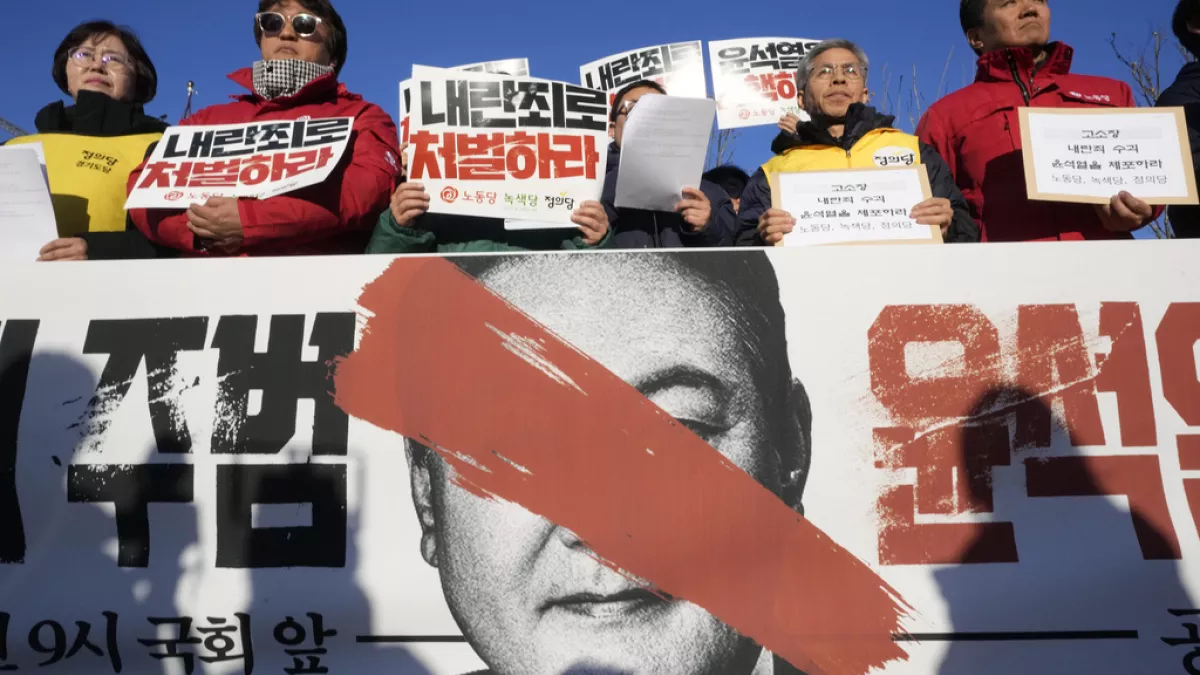
In 2024, K-pop light sticks appeared in many youth-centered protests in South Korea, revolving around issues of women’s rights to the impeachment of President Yoon Suk Yeol4. Beyond South Korea, the light sticks of famous K-pop groups like NCT, Stray Kids and Aespa, traditionally used at their concerts, were also seen in pro-democracy protests in Hong Kong and Thailand to replace candle lights that are a symbol of non-violent resistance. Similar to the older generation relying on candlelights to convey a peaceful message, Gen Z is using K-pop light sticks as a form of political expression to show peace and unity among fandoms while eliminating language barriers and increasing civic engagement[2].
In Thailand, many youth-driven protests were seen using the Hunger Games salute in pro-democracy activism5. This three-finger salute in the show was a symbol used against authoritarianism and is now seen in anti-corruption movements. Likewise, the Milk Tea Alliance6 was a pan-Asia pro-democracy movement based primarily on digital platforms where people stood up against China for attacking the Thai celebrity Vachirawit Chivaaree who posted pro-Taiwanese messages on his social media platform. Bonding over the love for milk tea, countries including – but not limited to – Taiwan, Hong Kong, Thailand, and Myanmar spoke up
by circulating memes and trolls online that humoured the Chinese authorities7, showcasing unity among minority countries against authoritarian power.
Music also plays a key role in unifying resistance around the world. “Bella Ciao,” a famous Italian anti-fascist song that gained momentum after appearing in the Netflix TV series “Money Heist,” is a global anthem for resistance and rebellion of the people against corrupt governments8. It tells the story of Italian partisans’ courage during World War II while representing freedom and the fight for democracy. This anthem was sung by the youth in almost every protest in Southeast Asia, notably in Indonesia after the civilians burned the house of parliament, portraying the song’s message of anti-authoritarianism. Similarly, the Hamtaro jingle9, a famous Japanese children’s song and character, was revised to represent political resistance during the Thailand and Nepal protests as a sign of unity among the generation against corruption. The K-pop group Girls Generations’ 2007 debut song7 “Into the New World”also appeared in Korea in 2025 as a rhythm of hope and unity after successful victories for the people.
This direct interconnection between pop culture and political activism is evident in almost every youth-led protest and its roots in the same medium. Unlike their parents, Gen Z doesn’t rely on one primary news source to gather information, but rather relies on what is now called “the homeless media,” referred to as informal media outlets which operate on social media platforms, turning people to rely on random facets and forms of media like memes and reels for information.10 This reliance on homeless media allows our generation to directly hear people’s perspectives and experiences while tacitly being exposed to the real underlying corruption within the government. This has proven to be most efficiently communicated through memes on media platforms like TikTok and Discord that have references to trending pop-culture iconography that connects the audience beyond limitations like language barriers. This also explains the decentralized pattern of Gen Z resistance in Nepal and Madagascar, having a massive youth turnout despite being leaderless, the youth were able to successfully gather and overturn the head of state through the power of the internet.
Similarly, what makes the Gen Z protests different from our parents’ generation is also the nation-building aspect[3]. Diving into social media platforms, countless videos of the youth in Indonesia and Nepal cleaning up and rebuilding the streets after the protests were observed. There has been no other generation that repaired destruction and rebuilt streets they fought in. This shows that real change actually begins from individual and collective responsibility11. This ties directly into pop-culture because it demonstrates resistance isn’t just about activism and destruction but it’s also about responsibility and unity. In One Piece after Luffy and his crew rescue islands, the citizens are more unified and are seen rebuilding their civilization12, tying into the message that youth cleaning up after protests shows that activism is not just about abolishing the government in power, but rather it is about the vision of building a nation that they dream of together, while restoring public trust for a vision of a better tomorrow.
The pop-culture references of One Piece, K-pop light sticks, the Hunger Games Salute, the Milk Tea Alliance, Bella Ciao and Girls’ Generations “Into the New World”, all symbolize the emerging role of pop-culture for Gen Z resistance especially in Southeast Asia and how it continues to evolve today.
Who’s next?
This brings us to the most important question: Who’s next? A Gen Z-led youth outrage has already sparked across Asia and it will undeniably be modelled and prompt outrage in other regions due to the decentralized mode of homeless media15. After analyzing various social media platforms and news outlets for rising pop-culture memes and discord, all patterns point to the next predicted national youth outrage happening in the United States, with this speculation coming directly from social media algorithms and the current understanding of Gen Z’s political views of pro-democracy and anti-corruption.
In Indonesia, the outrage was sparked by ongoing civil unrest over the elected president Prabowo Subianto but finally emerged as a protest after housing subsidies were given to parliament members amidst the country’s economic struggles13. This resembles very well to the political situation of the United States with the current elected president causing a divide in the nation with many Gen Z coming out with massive outrage on all digital platforms through countless political memes and trolls that are getting millions of views in engagement. Although a direct correlation cannot be asserted considering the respective population size, age distribution and urbanization level of Indonesia and the United States are vastly different, the ongoing thread of resistance patterns seen in Africa, Europe and Southeast Asia have very similar resemblances to each other despite having limited geographic and social similarities because of the online mobilization aspect. It is true that countries in Southeast Asia share similar protest patterns because of their geographic ties and endorsement of similar pop culture references, but almost every protest began and grew to their representative scales through the digital mobilization aspect, thus making it feasible to argue that despite the geopolitical differences between Indonesia and the United States, a similar pattern of resistance is growing against the current elected president on social media platforms and may result in the next national youth led outrage.
This new mode of resistance formed on the internet unites the Gen Z population globally through common pop-culture references that are becoming the mainstream language for politics. There have been many youth-led nationalist protest movements throughout history, but what really makes this wave of protest unique is the online mobilization capability and the transnational spread of these movements.
Today, pop-culture stands not just as entertainment but also as political language among today’s generation. Blending pop-culture with political movement and using social media platforms as global platforms Gen Z is creating a political dynamic that goes beyond language, culture or geographic restraints.
This makes Gen Z unlike any other generation before them as they are utilizing their digital platforms to stand up against corruption, authoritarianism and inequality because in the end it’s their rebellion and vision to build a nation they’ve dreamed of together.
Maria Sismon is a first year Social Sciences student, in the Munk One Program at the University of Toronto. Maria is also a Contributor for the Southeast Asia section. Maria is interested in researching about turmoil in Indonesia and how Gen Z exhibits resistance patterns that shape social justice in Southeast Asia. Maria also has an interest in navigating Period Poverty and stigma surrounding Menstrual Health.
References
Aggarwal, Mithil, Janhvi Bhojwani, and Jay Ganglani. “How Gen Z-Led Protests Are Rattling Governments across Asia.” NBC News, September 15, 2025. https://www.nbcnews.com/world/asia/protests-asia-gen-z-nepal-indonesia-rcna231096.
Alpuerto, Agnes. “Homeless Media: Leveraging Social Media-Native News to Connect with Indonesia’s Gen Z.” Vero, July 29, 2025. https://vero-asean.com/homeless-media-indonesia-gen-z/.
Amnesty International. “The Gen-Z Movement: This Is Why We’re Risking Our Lives to Protest,” October 15, 2025. https://www.amnesty.org/en/latest/campaigns/2025/10/the-gen-z-movement-this-is-why-were-risking-our-lives-to-protest/.
Carnegie Endowment for International Peace. “The Promises and Pitfalls of the Social Media–Fueled Gen-Z Protests across Asia,” 2025. https://carnegieendowment.org/emissary/2025/09/social-media-gen-z-protests-nepal-indonesia-promises-pitfalls?lang=en.
Dhojnacki. “Gen Z Protests Have Spread to Seven Countries. What Do They All Have in Common?” Atlantic Council, November 6, 2025. https://www.atlanticcouncil.org/blogs/new-atlanticist/gen-z-protests-have-spread-to-seven-countries-what-do-they-all-have-in-common/.
Editorial. “The Guardian View on Gen Z Protests: These Movements Share More than an Interest in Anime.” The Guardian, October 12, 2025. https://www.theguardian.com/commentisfree/2025/oct/12/the-guardian-view-on-gen-z-protests-these-movements-share-more-than-an-interest-in-anime.
Hafiz, Kahfi. “Protest Wave Challenges Indonesia’s Authoritarian Drift.” East Asia Forum, October 20, 2025. https://eastasiaforum.org/2025/10/20/protest-wave-challenges-indonesias-authoritarian-drift/.
Harvey, Lex. “Gen Z Protesters Are Uniting behind a Manga Pirate Flag.” CNN, September 20, 2025. https://www.cnn.com/2025/09/19/asia/one-piece-flag-indonesia-nepal-protesters-intl-hnk-dst.
Jazeera, Al. “Indonesia in Chaos: Five Indonesians Give Views on Why and How to Fix It.” Al Jazeera, September 5, 2025. https://www.aljazeera.com/news/2025/9/5/indonesia-in-chaos-five-indonesians-give-views-on-why-and-how-to-fix.
Mouriquand, David. “Why Have Gen Z Adopted the One Piece Skull as a Protest Emblem?” euronews. Euronews, October 9, 2025. https://www.euronews.com/culture/2025/10/09/from-one-piece-to-the-hunger-games-when-pop-culture-iconography-turns-political.
The Economist. “How East Asian Pop Culture Is Inspiring Gen Z Protests.” The Economist, October 30, 2025. https://www.economist.com/asia/2025/10/30/how-east-asian-pop-culture-is-inspiring-gen-z-protests.
Vassanelli, Eleonora. “‘Money Heist’ and Protests: An Insight into Politics and Modern Popular Culture.” Medium, April 13, 2020. https://medium.com/the-political-economy-review/money-heist-and-protests-an-insight-into-politics-and-modern-popular-culture-5e631bb974.
Vaswani, Karishma. “Gen-Z Protesters across Asia Are Challenging the Old Guard.” The Japan Times, September 11, 2025. https://www.japantimes.co.jp/commentary/2025/09/11/world/gen-z-protesters-challenge-asias-old-guard/.
Yussuf, Ahmed. “One Piece Defines Gen Z Protests from Madagascar to Indonesia.” Abc.net.au. ABC News, November 7, 2025. https://www.abc.net.au/news/2025-11-08/one-piece-defines-gen-z-protests-from-madagascar-to-indonesia/105952236.
Footnotes
Aggarwal, Mithil, Janhvi Bhojwani, and Jay Ganglani “How Gen Z-Led Protests Are Rattling Governments across Asia.” NBC News, September 15, 2025.
Editorial. “The Guardian View on Gen Z Protests: These Movements Share More than an Interest in Anime.” The Guardian, October 12, 2025.
Harvey, Lex. “Gen Z Protesters Are Uniting behind a Manga Pirate Flag.” CNN, September 20, 2025.
The Economist. “How East Asian Pop Culture Is Inspiring Gen Z Protests.” The Economist, October 30, 2025. ↑
The Economist. “How East Asian Pop Culture Is Inspiring Gen Z Protests.” The Economist, October 30, 2025.
5 Mouriquand, David. “Why Have Gen Z Adopted the One Piece Skull as a Protest Emblem?” euronews. Euronews, October 9, 2025.
6 Carnegie Endowment for International Peace. “The Promises and Pitfalls of the Social Media–Fueled Gen-Z Protests across Asia,” 2025.
7 Editorial. “The Guardian View on Gen Z Protests: These Movements Share More than an Interest in Anime.” The Guardian, October 12, 2025.
8 Vassanelli, Eleonora. “‘Money Heist’ and Protests: An Insight into Politics and Modern Popular Culture.” Medium, April 13, 2020.
9 The Economist. “How East Asian Pop Culture Is Inspiring Gen Z Protests.” The Economist, October 30, 2025.
10 Alpuerto, Agnes. “Homeless Media: Leveraging Social Media-Native News to Connect with Indonesia’s Gen Z.” Vero, July 29, 2025 ↑
Amnesty International. “The Gen-Z Movement: This Is Why We’re Risking Our Lives to Protest,” October 15, 2025.
11 Dhojnacki. “Gen Z Protests Have Spread to Seven Countries. What Do They All Have in Common?” Atlantic Council, November 6, 2025.
12 Yussuf, Ahmed. “One Piece Defines Gen Z Protests from Madagascar to Indonesia.” Abc.net.au. ABC News, November 7, 2025.
13 Jazeera, Al. “Indonesia in Chaos: Five Indonesians Give Views on Why and How to Fix It.” Al Jazeera, September 5, 2025.
14 Hafiz, Kahfi. “Protest Wave Challenges Indonesia’s Authoritarian Drift.” East Asia Forum, October 20, 2025.
15 Vaswani, Karishma. “Gen-Z Protesters across Asia Are Challenging the Old Guard.” The Japan Times, September 11, 2025. ↑